
In the worlds of manufacturing, packaging, printing, and crafts, precision and efficiency are crucial. One of the unsung heroes that makes this possible is the die board. While it may not always be the most visible tool, the die board plays a vital role in creating accurate cuts, intricate designs, and consistent results across industries. From mass-producing packaging boxes to crafting custom leather goods, die boards are at the heart of processes that demand both durability and detail.
This guide will walk you through what a die board is, how it works, its industrial and craft applications, and tips for selecting the right type.
What Is a Die Board?
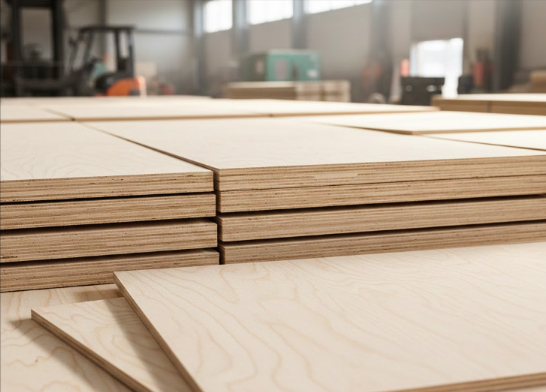
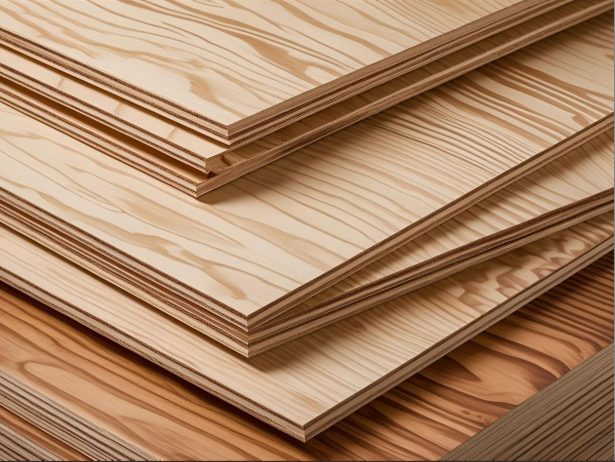
A die board is a specially prepared wooden board that serves as the base for a cutting die. The board is typically made from high-quality, durable wood—commonly maple or birch plywood—and is designed to hold steel rule cutting blades in precise slots.
These cutting blades form patterns or shapes, which are then used to cut, crease, or emboss materials such as paper, cardboard, fabric, foam, rubber, plastic, and even leather. In short, the die board provides the foundation that ensures accuracy, repeatability, and structural strength during the die-cutting process.
Key Features of a Die Board
High-Grade Plywood Construction: Ensures durability and resistance to warping.
Laser-Cut Slots: For exact placement of steel rules, ensuring accuracy in cuts.
Customization Options: Available in various thicknesses and configurations based on application.
Longevity: Designed to withstand repeated use in both small and large-scale production.
Industrial Applications of Die Boards
Die boards are indispensable across a wide range of industries:
1. Packaging and Printing
The packaging industry heavily relies on die boards to cut cardboard and corrugated sheets into boxes, cartons, and display stands. Custom designs such as folding patterns, branding cutouts, and perforations are made possible with die-cutting.
2. Textile and Apparel
In the textile industry, die boards are used for cutting fabrics and leather with consistent shapes and sizes. For instance, shoe manufacturers often rely on die-cutting to streamline production.
3. Automotive and Electronics
Die boards help create gaskets, foam inserts, and insulation components. Precision cutting ensures parts fit accurately into complex assemblies.
4. Stationery and Labels
From greeting cards to stickers, die boards allow for the mass production of intricate paper products with uniform quality.
Choosing the Right Die Board
When selecting a dieboard for industrial or craft use, consider the following factors:
Material Type: Choose maple, birch, or specialized plywood for strength and stability.
Thickness: Thicker boards provide durability for heavy-duty cutting, while thinner ones work for lighter materials.
Cutting Rule Compatibility: Ensure the die board is designed for the steel rule thickness required.
Laser Accuracy: Look for suppliers that offer precision laser cutting for maximum accuracy.
Future of Die Boards
With advancements in laser cutting technology and computer-aided design (CAD), die board plywood are becoming even more precise and customizable. In addition, eco-friendly materials and improved plywood composites are being developed to enhance sustainability in manufacturing.
Final Thoughts
A die board may seem like a simple wooden base, but it is a cornerstone of countless industries and crafts. Its role in ensuring accuracy, efficiency, and repeatability makes it indispensable for both large-scale manufacturers and small-scale artisans. Many die boards rely on high-quality timber, often sourced through wood imports, to ensure the durability and precision required for demanding applications.
Whether you’re a packaging company looking for mass production efficiency or a crafter seeking clean, intricate designs, die boards provide the perfect solution. With their versatility, durability, and precision, die boards will continue to shape industries and creative projects for years to come.



Write a comment ...