
Russian plywood has earned its reputation for versatility, strength, and an attractive finish—qualities that make it a favorite choice in both high-end furniture design and industrial applications. Manufacturers have refined its production to ensure quality control and structural integrity, and as a result, standard sizes and thicknesses have evolved to meet diverse project requirements. In this comprehensive guide, we explore the various dimensions of Russian birch plywood available, the considerations behind them, and how they compare to other products in the market.
Understanding the Material
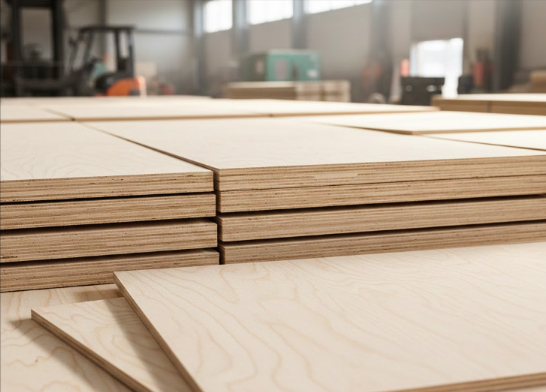
Birch plywood is composed of multiple thin layers or veneers of birch wood, each of which is bonded together with strong adhesives. This cross-lamination technique increases the material’s durability, enhances its resistance to warping, and supports its ability to hold screws and nails without splitting. These features are why many designers and builders favor this product. Although various regions produce birch plywood, Russian birch plywood stands out due to its superior quality and consistency in both appearance and performance.
Standard Panel Dimensions
In the woodworking and construction industries, the most common size for plywood panels is 4 feet by 8 feet. This standard allows for the efficient use of raw materials and simplifies the logistics of installation and transport. Russian birch plywood, which follows similar standards, is typically available in 4×8 panels. However, custom sizes can often be manufactured to suit specific project needs, whether the application is in cabinetry, flooring, or decorative wall panels.
The standard 4×8 size is popular because it is compatible with most cutting and framing systems. In larger industrial projects, these dimensions make it easier to plan layouts, reduce waste, and control construction costs. Architects and designers can use these standard panels to create a variety of forms and designs while ensuring that material support is evenly distributed across the surface.
Standard Thickness Options
Thickness is a crucial aspect of any plywood product because it affects not only the strength but also the weight and flexibility of the material. The thickness of Russian birch plywood generally ranges from as thin as 1/8 inch to as thick as 3/4 inch. Common thicknesses include 1/8 inch, 1/4 inch, 3/8 inch, 1/2 inch, and 3/4 inch. Each thickness serves different purposes:
Thin Sheets (1/8 inch to 1/4 inch): Ideal for decorative applications, laminates, and crafting projects that require a delicate touch without sacrificing the appearance of natural wood grain.
Medium Thickness (3/8 inch to 1/2 inch): Offers a balance between flexibility and durability, making it popular in furniture manufacturing and cabinetry.
Thick Sheets (3/4 inch): Provides maximum strength and durability, making it suitable for structural applications such as flooring or wall panels where load-bearing capabilities are crucial.
When choosing a particular thickness, it is vital to consider the end-use, the required structural support, and even aesthetics, as the thickness may affect how light or dark the grain appears on the finished product.
Advantages of Uniformity and Quality
One of the key reasons for the popularity of birch plywood Russia is its consistency. Manufacturers maintain strict quality controls that ensure each panel adheres to standard sizes and thicknesses. This uniformity is essential for large-scale construction projects where precision is paramount. Consistent panels reduce installation complications and ensure that subsequent steps in construction, such as finishing or cutting, proceed without hitches.
In many modern design and construction projects, russian birch ply is appreciated for its lightweight yet robust composition. Its stable dimensions and reliable finish make it attractive to designers who need a consistent base material for both indoor and outdoor projects.
Exploring the export market reveals that birch plywood from Russia is highly regarded for both its quality and its availability in a range of standardized dimensions. This recognition helps position it as a competitive alternative to other types of plywood available internationally, opening up opportunities for global trade and collaboration.
With an emphasis on quality control and consistent performance, wood importers increasingly seek products that meet standardized dimensions and reliable performance. Russian birch plywood fits this niche well, offering excellent strength, stability, and predictable behavior in diverse environments, ensuring that importers meet the high expectations of international markets.
Applications and Considerations
Beyond structural strength and standardization, the choice of plywood must also take into account environmental considerations and the specific requirements of a project. In construction and design, knowing the right plywood to select is essential. For example, when working on projects that require a lightweight, yet sturdy material, choosing the appropriate panel thickness is critical. The industry’s reliance on these standard sizes means that fabricators and retailers can manage inventory more efficiently and predict delivery times more accurately.
In addition, the natural beauty of birch wood—exemplified in its fine grain—makes it a popular choice for aesthetic applications. The balance of form and function ensures that when a project demands a visually appealing finish without compromising on strength, the right standards in sizes and thicknesses provide the best solution.
Conclusion
Understanding the standard sizes and thicknesses of plywood is fundamental for anyone involved in construction, design, or fabrication. Precise dimensions, such as the common 4×8 panels, combined with thickness options ranging from 1/8 inch to 3/4 inch, create a material that is both versatile and dependable. For those looking to source quality panels, it’s essential to work with reliable wood importers who ensure consistency and quality across every delivery. With these factors in place, the pathway to a successful project is clearer, offering both aesthetic appeal and structural integrity.



Write a comment ...